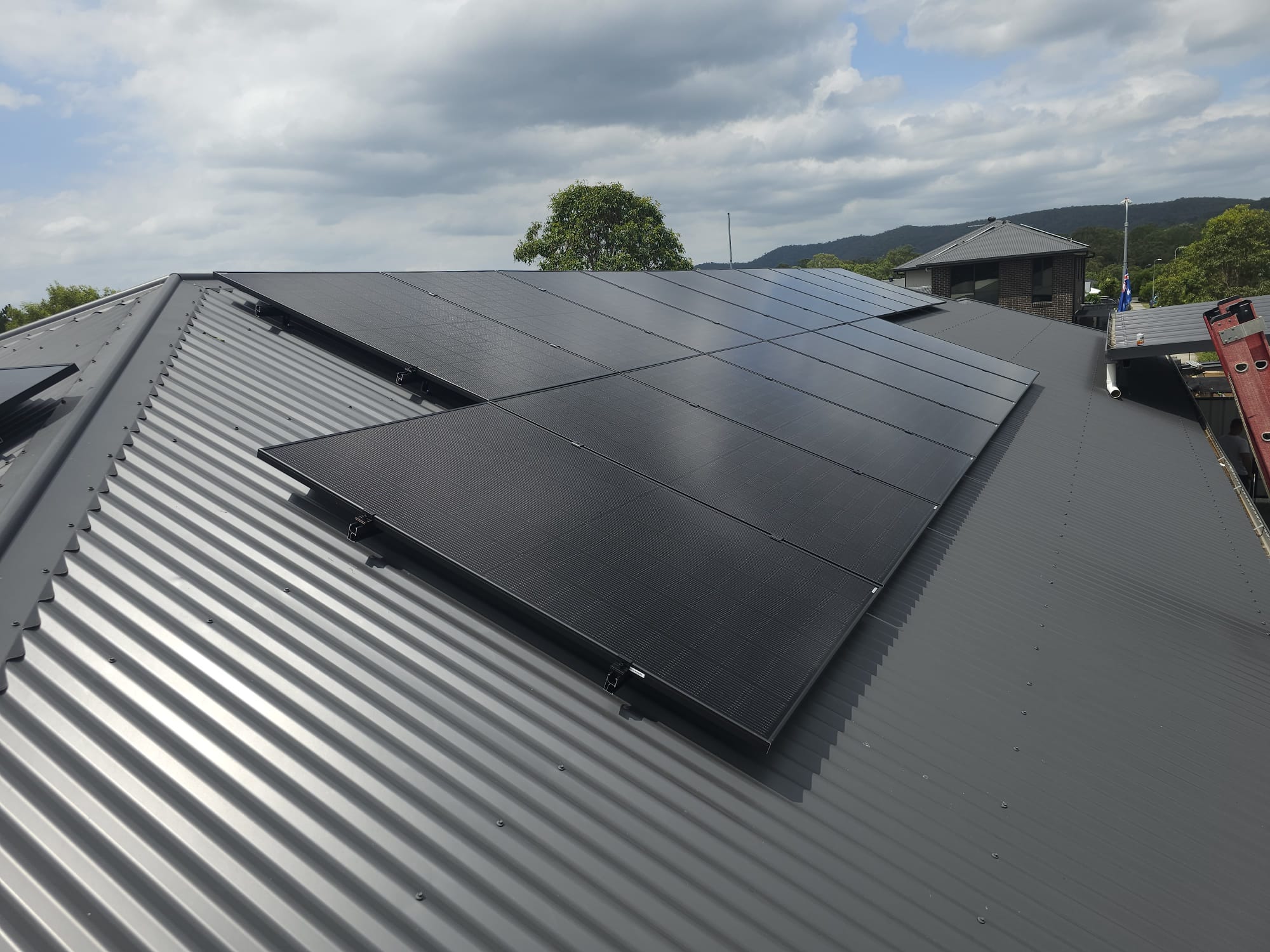
Brisbane's rooftop solar market is competitive, which benefits homeowners in terms of pricing — but it also creates conditions where significant quality variation exists between the cheapest and best installations. A residential solar system is a 25-year asset. The choice of panels, inverter, installation workmanship, and ongoing support determines whether it performs as projected over that full period or begins degrading prematurely within five years.
Panel Quality: What the Specifications Actually Mean
Solar panel quality is most reliably indicated by three specifications: efficiency rating, temperature coefficient, and degradation warranty. Brisbane's subtropical climate means panels regularly operate at elevated temperatures — a panel with a poor temperature coefficient loses substantially more output on hot days than a high-quality panel with the same rated capacity.
Temperature coefficient is expressed as a percentage per degree Celsius above 25°C. A panel with a coefficient of -0.35%/°C loses 3.5% of its rated output for every 10°C above 25°C. On a Brisbane summer day with a panel surface temperature of 65°C, that panel operates at 86% of rated capacity. A premium panel at -0.27%/°C operates at 89.2% under the same conditions — a meaningful difference that compounds over 25 years.
Degradation warranty is equally important. Most quality panels carry a 25-year linear performance warranty guaranteeing at least 80% of initial rated output at year 25. Cheaper panels may carry shorter performance warranties or less favourable degradation curves. Always request the full product warranty documentation, not just the headline figures.
Inverter Selection for Brisbane Conditions
The inverter converts DC power from the panels into AC power your home uses. It is the most complex electronic component in the system and the most likely to require attention over the system's life. In Brisbane, humidity and heat place specific demands on inverter design — particularly in coastal and low-lying areas where salt air accelerates corrosion on cheaper enclosures.
String inverters (a single central unit) are the most common residential inverter type. They are cost-effective and carry strong track records from established manufacturers like Fronius, SMA, and SolarEdge. Microinverters (one per panel) and power optimisers are appropriate where shading is an issue — they allow each panel to operate independently rather than pulling down the output of the entire string when one panel is shaded.
Inverter manufacturer warranty should be at least 10 years for a quality product. Some manufacturers offer 12 to 15 year warranties as standard, which is preferable for a component with moving parts (cooling fans on larger units) and complex electronics.
System Sizing: Getting It Right the First Time
The most common sizing approach in the residential solar market is to quote the largest system a customer's roof can accommodate at the price point they have indicated. This approach produces sub-optimal outcomes in many cases — particularly for households that work from home, have high daytime consumption, or intend to add a battery in the future.
A correctly sized system is determined by your actual consumption profile. A household consuming 25 kWh per day with most of that consumption occurring during the day (home office, pool pump, dishwasher, washing) requires a different system to a household with the same daily consumption concentrated in the evening. The daytime-heavy household can self-consume more solar directly. The evening-heavy household needs a battery to make effective use of the solar generation.
Installer Credentials and Workmanship
In Queensland, solar installers must hold a valid Clean Energy Council (CEC) accreditation. This is the minimum threshold. Beyond accreditation, look for evidence of established operation — years in business, local physical presence, volume of installations completed in your area. New market entrants frequently undercut established installers on price by accepting lower margins, but they also carry higher risk of business closure, which leaves warranty claims unenforceable.
Workmanship quality is visible on inspection but harder to evaluate from quotes alone. Ask installers about their cable management practices, earthing methods, mounting system, and how they handle roof penetrations. A quality installer will describe these practices clearly and in detail. An installer who is vague about workmanship specifics is telling you something important.
What Source Energy Group Does Differently
Source Energy Group conducts a detailed energy audit before recommending a system size. We specify only panels and inverters we have verified in long-term Queensland service. Our installations carry full workmanship warranties and we maintain an active support relationship with every customer — including annual system performance reviews. We are a Queensland business with a physical team, not a national franchise or lead-generation service that subcontracts work to the lowest bidder.
Brisbane's solar market includes installers across every quality level. Before signing any contract, make sure you understand what you're buying. Source Energy Group provides a detailed written proposal — panel specs, inverter model, expected output, warranty terms, and a payback projection — before any commitment.
Get a Free Quote