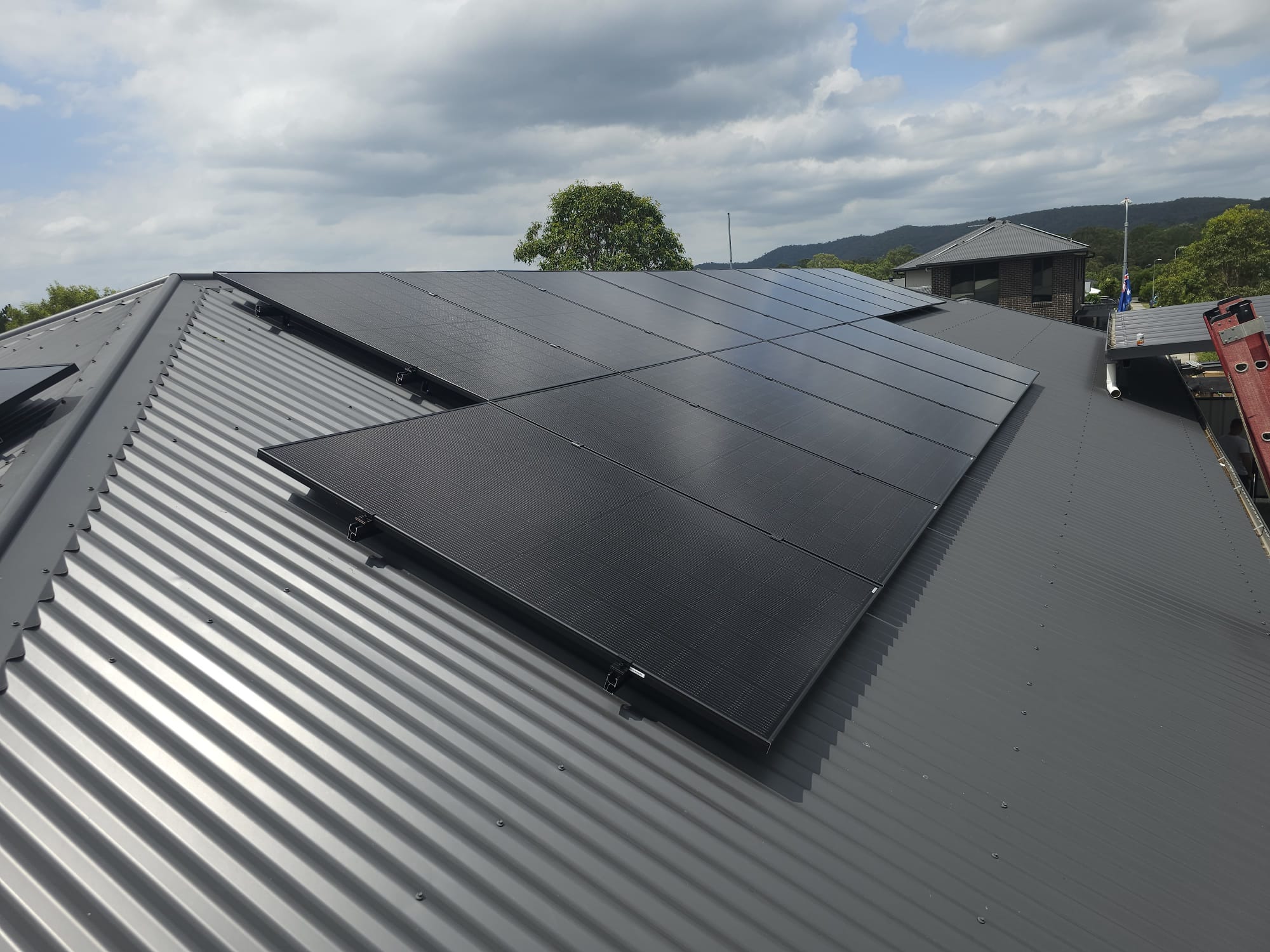
Queensland homeowners installing solar in 2025 have access to financial incentives that can reduce the upfront cost of a system by several thousand dollars. Understanding each incentive clearly — what it is, how it is calculated, and how it is accessed — allows you to evaluate installer quotes accurately and avoid being misled by inflated "rebate" claims in the market.
The STC Scheme: The Primary Rebate
The federal Small-scale Technology Certificate (STC) scheme is the largest and most consistent solar incentive available to Queensland homeowners. Administered by the Clean Energy Regulator, the scheme assigns a number of certificates to qualifying solar installations based on the system's expected energy output over its remaining deeming period — currently running to the end of 2030.
For 2025 installations in South East Queensland (Climate Zone 3), the zone multiplier produces a higher certificate count than southern states — reflecting Queensland's superior solar resource. A 6.6kW system installed in 2025 in South East Queensland generates approximately 73 STCs. At a current market price of approximately $37 per STC, this represents a discount of approximately $2,701 off the installed system cost.
The STC deeming period reduces by one year on 1 January each year. A system installed before 31 December 2025 generates one more year of certificates than the same system installed in January 2026. The difference for a 6.6kW system is approximately 6 to 8 STCs — roughly $220 to $300 in additional discount. This reduction is mechanical and certain; it is not a sales tactic.
Feed-in Tariffs in Queensland
Queensland electricity retailers must offer a minimum feed-in tariff for solar electricity exported to the grid. The Queensland Competition Authority (QCA) sets the minimum retailer feed-in tariff annually. For 2025–26, the QCA's minimum is 5c per kWh for South East Queensland customers. Some retailers offer higher voluntary rates, with market leaders currently offering between 6c and 8c per kWh.
Ergon Energy customers in regional Queensland operate under a regulated retail electricity market. The Ergon regulated feed-in tariff for 2025–26 is 8.217c per kWh — somewhat higher than the SEQ minimum, reflecting regional pricing structures.
Feed-in tariffs are not a rebate on your installation cost. They are ongoing revenue from exporting surplus solar generation. Understanding feed-in tariff rates is important for calculating the payback period of a solar system, but they should not be confused with upfront incentives.
Queensland Government Electricity Rebates
Queensland households receive a cost-of-living electricity rebate applied directly to their electricity accounts. For 2025–26, the Queensland Government rebate is $1,000 for eligible Queensland households and $372 for businesses. This is applied as a credit on electricity bills, not as a payment toward solar installation. It reduces your overall electricity spend but does not specifically support solar investment.
No Current Queensland State Battery Rebate
Queensland does not currently operate a state-funded battery rebate program. South Australia and Victoria have run such programs at various times; Queensland has not. Federal concessional finance options through the Household Energy Upgrades Fund remain accessible for battery additions — these reduce financing costs but are not direct rebates.
How to Maximise Available Incentives
The most effective approach is to work with an accredited installer who applies the STC discount directly at point of invoice and has a clear record of doing so accurately. Any installer quoting a "government rebate" that appears as a cash payment separate from the invoice is likely misrepresenting how the scheme works.
Beyond STCs, the best way to maximise the financial return on a Queensland solar installation in 2025 is to pair the solar system with battery storage and enrol in a virtual power plant program. The combination of peak-shift savings, VPP revenue, and STC discount produces the strongest payback profile currently available in the Queensland residential market.
STC values change with the market and the deeming period reduces each year. Source Energy Group applies the current STC discount directly to your invoice — no separate paperwork required. Book a free energy audit to see the full financial breakdown for your home.
Get a Free Quote