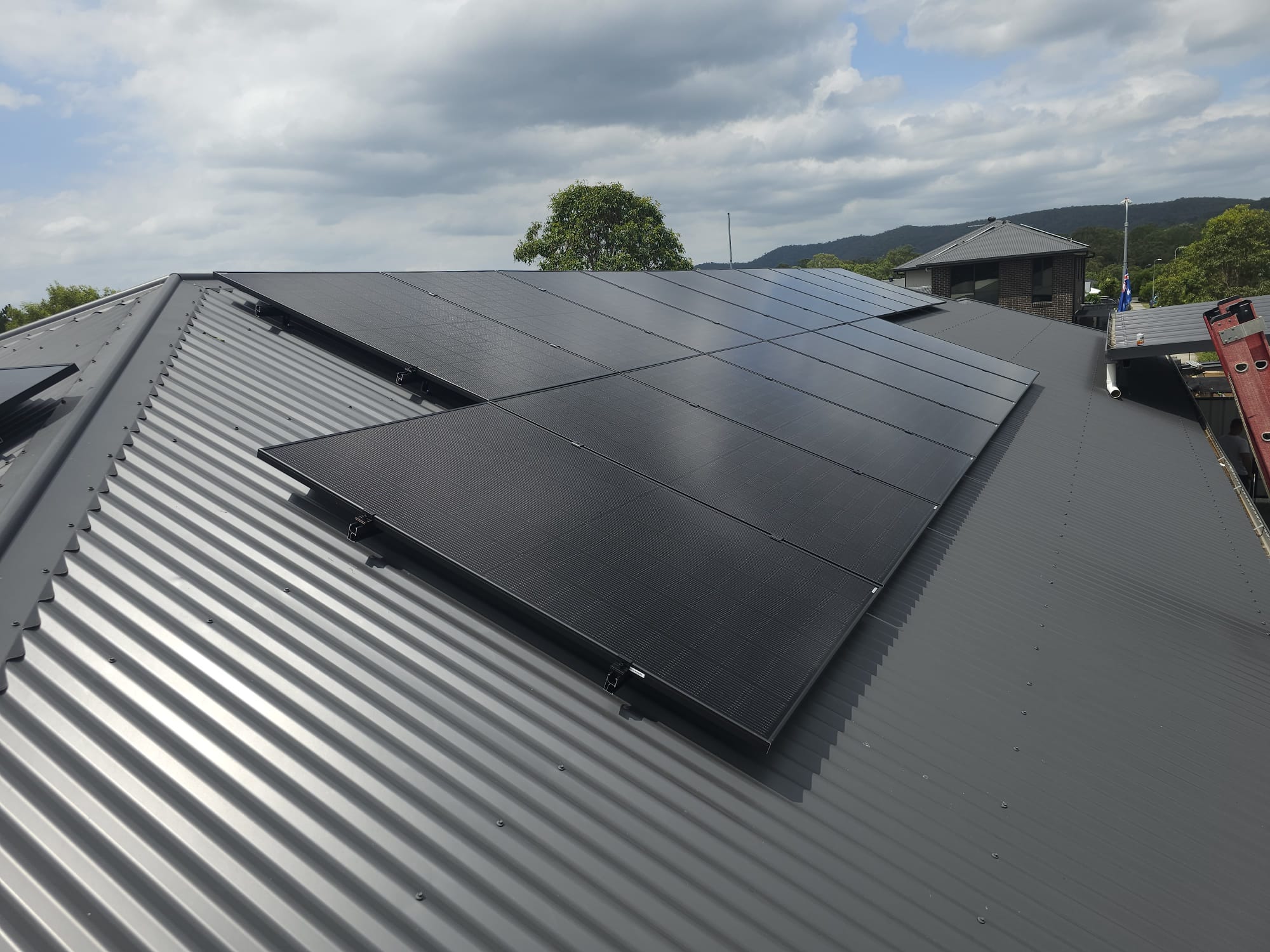
Australian homeowners considering solar battery storage frequently encounter conflicting information about what government rebates or incentives actually apply to their situation. The landscape involves federal programs, historical state programs, concessional finance schemes, and STC incentives that are often mischaracterised as rebates. This guide covers what is currently available to Queensland homeowners in 2025 and how each program works in practice.
The STC Scheme: Australia's Primary Solar Incentive
The federal Small-scale Technology Certificate (STC) scheme is the most significant financial incentive available for residential solar installations in Australia. It is administered by the Clean Energy Regulator (CER) and applies to systems under 100kW in capacity. When an accredited installer installs a qualifying solar system, a number of STCs are created based on the system's expected energy output over its remaining deeming period.
The current STC deeming period runs to 2030. Each year, the number of STCs created for a new installation reduces — meaning the incentive is decreasing. A 6.6kW solar system installed in South East Queensland in 2025 generates approximately 70 to 80 STCs depending on the zone multiplier. At a current market price of approximately $35 to $38 per STC, this produces an upfront discount of approximately $2,450 to $3,040 on the installed system cost.
Installers typically assign STCs to a registered agent in exchange for an upfront discount on the customer's invoice. You do not receive a cheque from the government — the discount appears as a line item on your installer's quote. This is the standard industry practice and means the STC value is immediately available, not deferred.
Battery-Specific Rebates in 2025
The federal Household Energy Upgrades Fund (HEUF), delivered through the Clean Energy Finance Corporation (CEFC), provides concessional loans for qualifying energy efficiency and clean energy upgrades, including battery storage. Interest rates under this scheme are materially below commercial rates, which for households financing their battery system can reduce the total cost of ownership over the loan period.
Queensland does not currently operate a state-level battery rebate program comparable to programs that have run in Victoria and South Australia. The Queensland Government's key solar support mechanism has historically been the Solar Bonus Scheme feed-in tariff (now expired) and the ongoing regulation of feed-in tariff obligations under the Queensland Competition Authority's annual price determination. New battery-specific state rebates are not currently available at the time of writing.
The Queensland Government's Cost of Living Rebate
Queensland households are eligible for the Queensland Government Cost of Living Rebate — a direct credit applied to electricity accounts. The rebate quantum varies by year and household type; for 2025–26, the base rebate is $1,000 for eligible Queensland households. While this is not specific to solar or battery systems, it reduces the overall electricity cost burden and effectively makes the financial case for battery investment more compelling by reducing the baseline bill that the battery needs to offset.
What Source Energy Group Handles For You
The STC assignment process involves documentation that must be completed accurately for the Clean Energy Regulator. Source Energy Group is an accredited installer and manages the full STC paperwork as part of every installation. The STC discount is applied directly to your invoice — you do not need to lodge any separate application, track certificate markets, or engage with the Clean Energy Regulator directly.
We also advise on HEUF eligibility for financed installations and can connect eligible customers with approved finance pathways. For households that want to understand every rebate, incentive, and payment mechanism available to them before making a decision, our free energy audit covers this in detail — including payback calculations that incorporate current STC values and any applicable programs.
Acting Before the STC Reduction
The STC deeming period reduces by one year on 1 January each year. This means the number of STCs created for a new installation in 2026 will be lower than in 2025, and lower again in 2027. There is a genuine and quantifiable advantage to installing sooner rather than later — not as a sales pressure tactic, but as a straightforward consequence of how the scheme is structured. A system installed before 31 December 2025 generates one additional year's worth of STCs compared to a system installed in January 2026.
Rebate programs have deadlines and capacity limits. Source Energy Group handles all STC paperwork and rebate claims as part of your installation — you receive the discount at point of purchase with no separate application process required.
Get a Free Quote